Understanding Paint Correction: When and Why Your Car Needs It


Paint correction is a vital process for car enthusiasts and owners who want to maintain the aesthetic appeal of their vehicles. Understanding when and why your car might need paint correction can help keep it looking pristine and preserve its value.
What is Paint Correction?
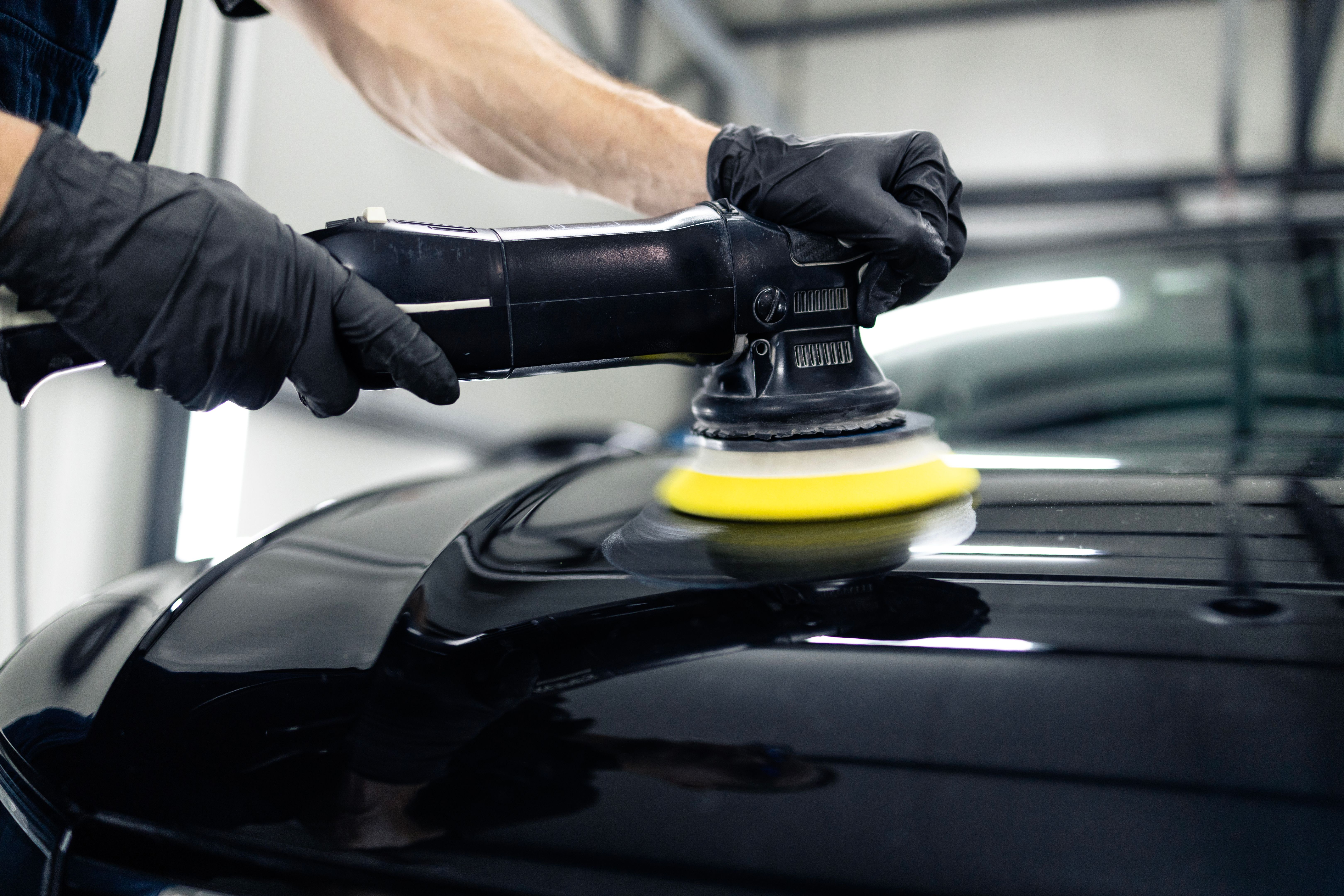
Paint correction is the process of removing imperfections from a car’s paintwork. These imperfections can include swirl marks, scratches, and oxidation. The goal is to restore the paint to its original, flawless condition by using specialized tools and techniques.
Typically, this process involves polishing the car's surface to level out the paint. It can be a meticulous task that requires expertise and patience, but the results can be transformative.
Signs Your Car Needs Paint Correction
Determining whether your car needs paint correction involves looking for specific signs. Here are some common indicators:
- Visible swirl marks or light scratches, often seen under direct sunlight.
- Oxidation, which gives the paint a dull appearance.
- Water spots or etching caused by bird droppings.
These imperfections can accumulate over time due to environmental exposure and improper washing techniques.

Benefits of Paint Correction
The primary benefit of paint correction is a dramatic improvement in your car's appearance. Restoring the paint enhances the vehicle's gloss and shine, making it look almost new. This process also helps in:
- Increasing resale value by maintaining the car’s aesthetic appeal.
- Protecting the paint from further damage by removing contaminants.
- Boosting pride of ownership by keeping your car looking its best.
When to Consider Paint Correction
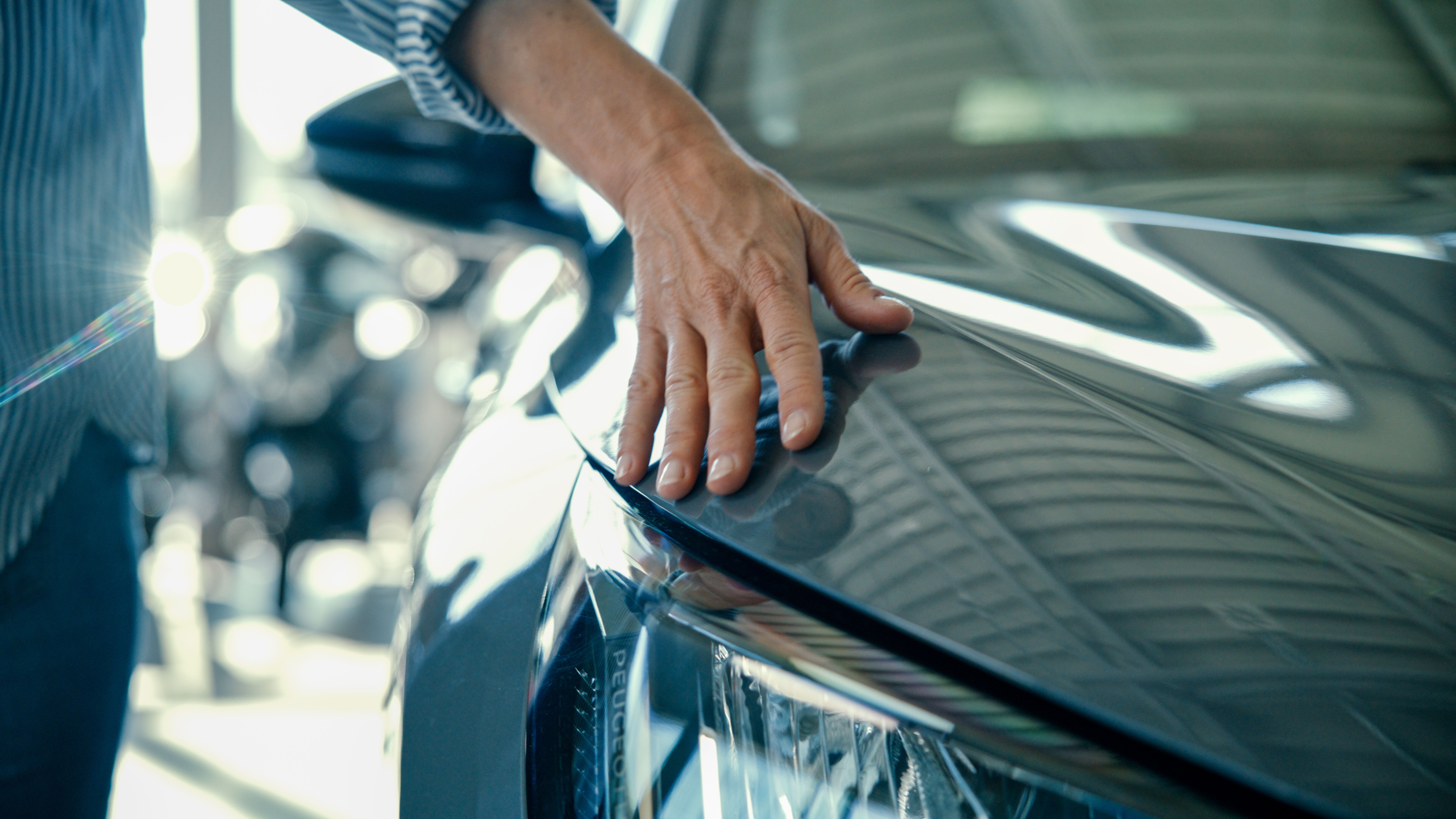
Timing is crucial when it comes to paint correction. It might be necessary if you notice visible flaws or before applying a protective coating like ceramic. It’s also a good idea to consider it before selling your car to enhance its market appeal.
The frequency of needing paint correction can depend on factors like climate, storage conditions, and how often the car is washed. Regular maintenance can help extend the time between corrections.
DIY vs. Professional Paint Correction
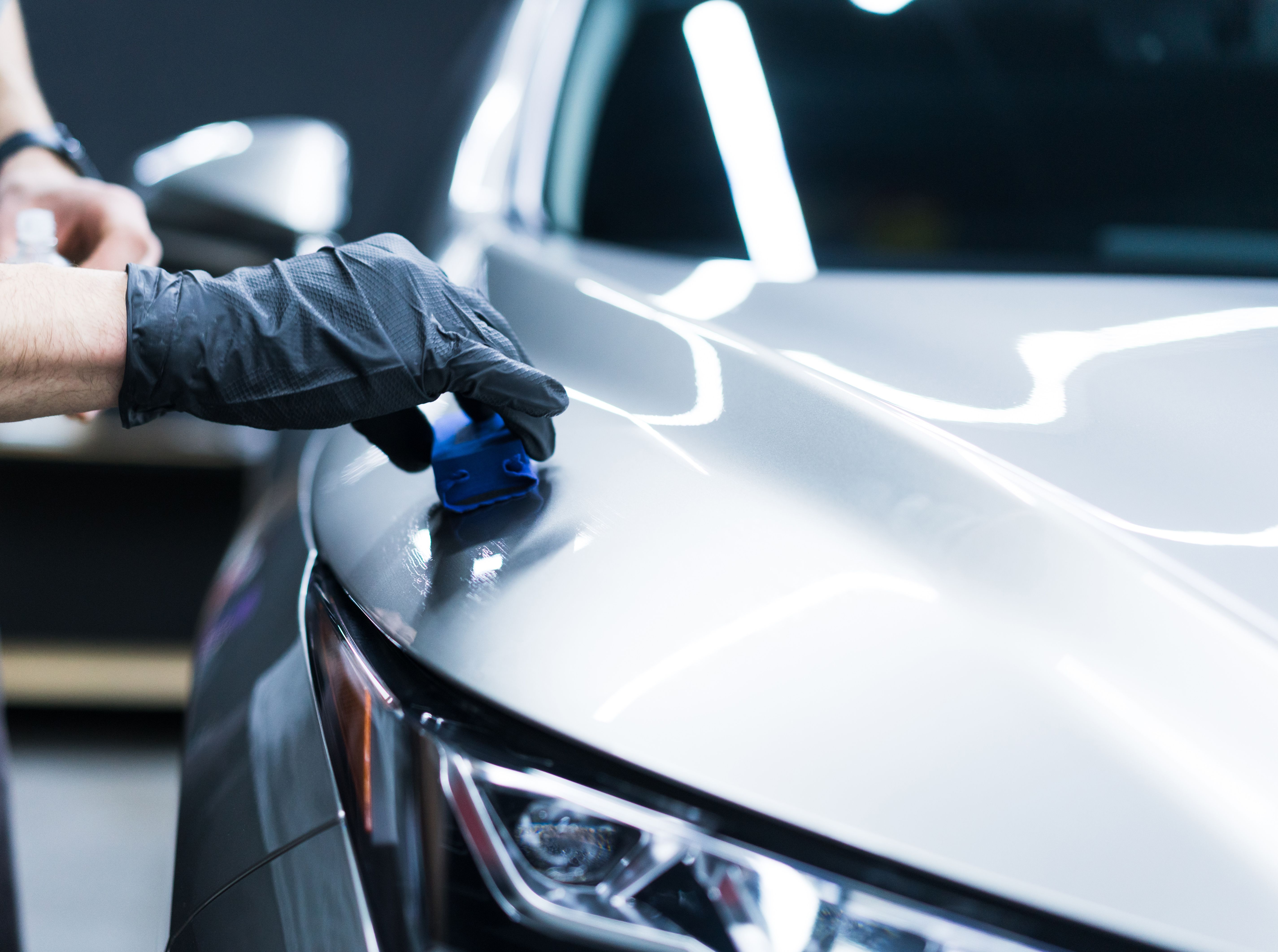
While some car owners may attempt paint correction as a DIY project, it often requires a skill set that comes with experience. Professional detailers have access to the right tools and polishes to ensure the job is done correctly without damaging the paint.
Choosing professional services can be an investment, but the expertise and results usually justify the cost.
Conclusion
Understanding paint correction and its benefits can help you maintain your car’s appearance and value. Whether you decide to tackle it yourself or seek professional help, regular attention to your car's paintwork will ensure it remains in top condition for years to come.