Understanding Paint Correction: When and Why You Need It


What is Paint Correction?
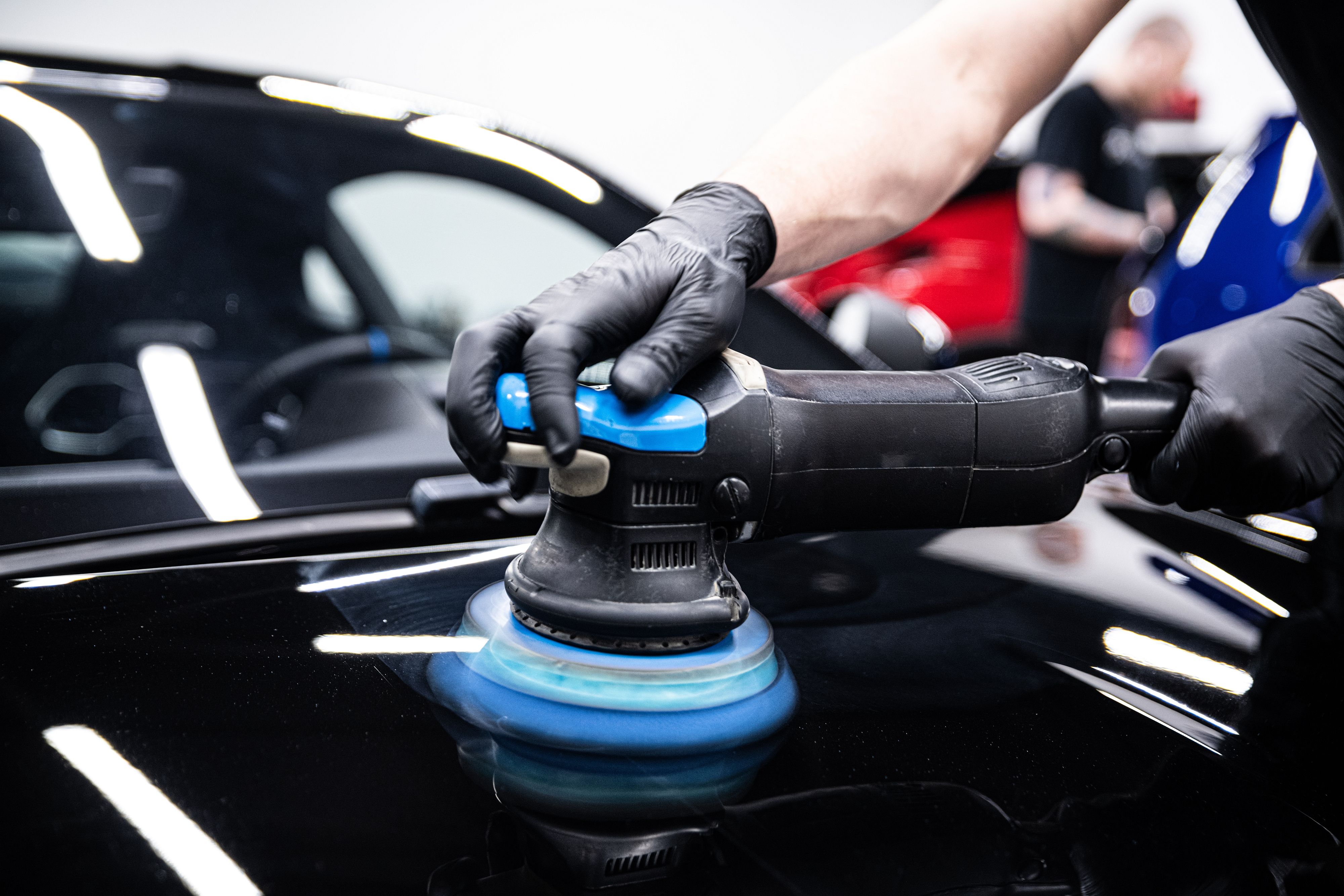
Paint correction is a meticulous process that involves restoring and rejuvenating the paintwork of a vehicle. It aims to eliminate surface imperfections such as swirl marks, scratches, oxidation, and other blemishes. Through a series of steps involving machine polishing, the goal is to achieve a flawless, mirror-like finish. Unlike a standard car wash or wax, paint correction delves deeper into the paintwork, permanently removing defects rather than masking them.
Many car enthusiasts and detailing professionals consider paint correction an essential part of car maintenance, as it significantly enhances a vehicle's appearance and value. Whether you own a classic car or a brand-new model, understanding when and why you need paint correction can help maintain your vehicle's aesthetic appeal.
When Should You Consider Paint Correction?
The timing for paint correction depends on several factors, including the condition of your vehicle's paint and your personal preferences. Here are some scenarios when paint correction might be necessary:
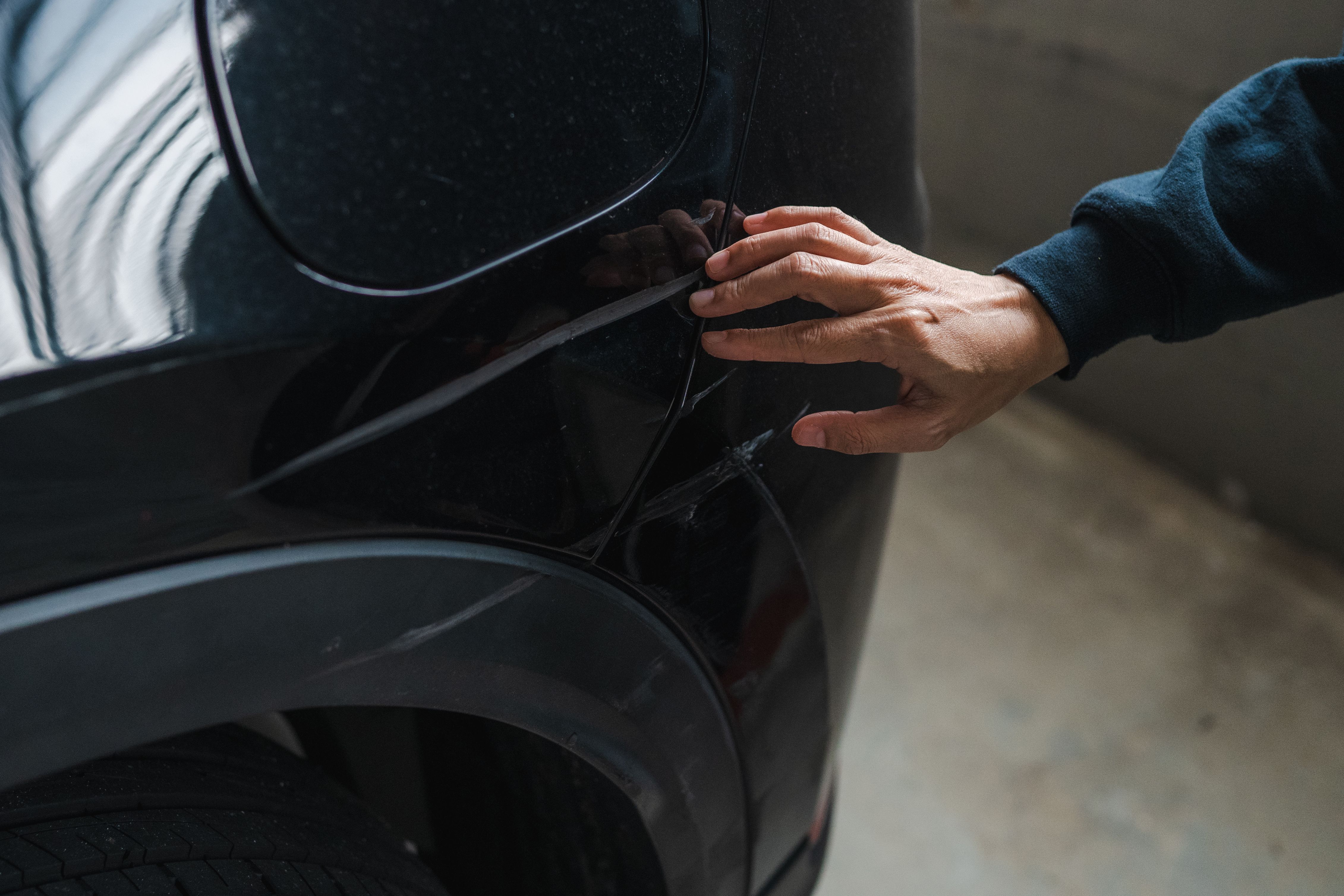
- Visible Scratches and Swirl Marks: If your vehicle's paint has noticeable scratches and swirl marks, paint correction can restore its smooth surface.
- Oxidation: Over time, exposure to the elements can cause the paint to oxidize, leading to a dull and faded appearance. Paint correction can rejuvenate the color and shine.
- Pre-sale Preparation: If you're planning to sell your vehicle, paint correction can enhance its appeal and potentially increase its resale value.
Regular maintenance can also help determine the need for paint correction. Routine inspections by a detailing professional can identify imperfections early, allowing for timely intervention.
Why is Paint Correction Important?
Paint correction is not just about aesthetics; it also plays a crucial role in preserving your vehicle's value. A well-maintained exterior reflects the overall care and attention given to the car, which can be a decisive factor for potential buyers.
Moreover, paint correction can protect the underlying layers of your car's paint. By removing surface imperfections, you're reducing the risk of further damage caused by environmental contaminants, which can penetrate deeper and cause more serious issues over time.
The Paint Correction Process
The process of paint correction involves several stages, each requiring a high level of skill and precision:
- Inspection: The first step is a thorough inspection of the vehicle's paintwork to assess the extent of the damage.
- Washing and Decontamination: The car is meticulously washed to remove dirt and contaminants, preparing it for correction.
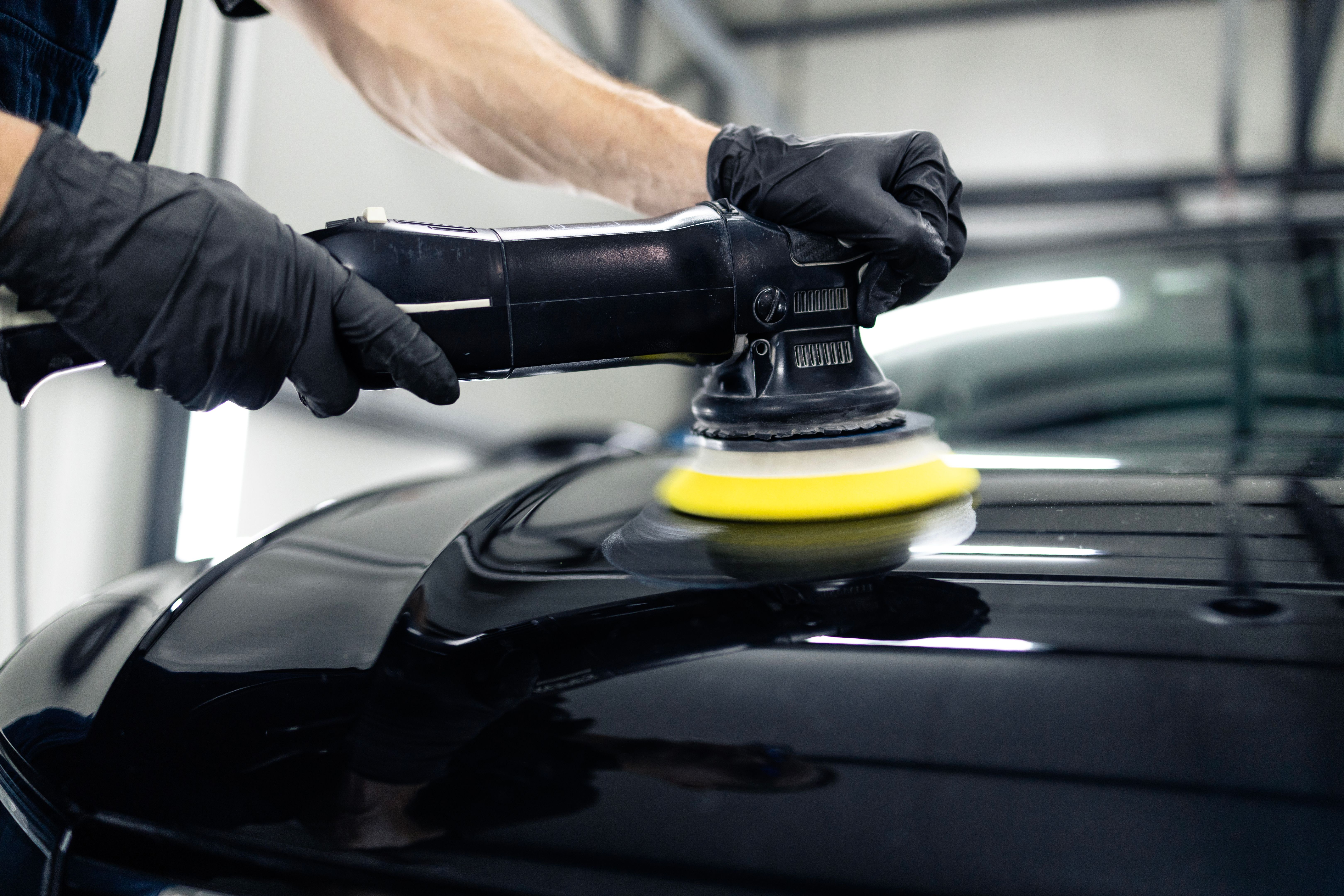
- Polishing: Using specialized machines and compounds, the paint is polished to remove imperfections and restore gloss.
- Protection: After correction, a protective layer such as wax or sealant is applied to preserve the finish.
Each step is crucial for achieving the desired results, and skipping any part of the process could compromise the quality of the correction.
Choosing the Right Professional
When it comes to paint correction, choosing the right professional is essential. Look for a detailer with extensive experience, positive reviews, and a portfolio of previous work. A skilled professional will use the right tools and techniques to ensure the best results without causing further damage.
It's also important to have a clear understanding of the costs involved. Paint correction is a labor-intensive process and may require a significant investment, but the results are often worth the expense.

In conclusion, paint correction is a valuable service for anyone looking to maintain or enhance their vehicle's appearance. By understanding when and why you need it, you can ensure your car remains in pristine condition, protecting both its beauty and value for years to come.