Expert Tips on Paint Correction for New Brunswick Drivers


Understanding Paint Correction
Paint correction is a meticulous process that removes imperfections in a vehicle's paintwork, restoring it to its original brilliance. For drivers in New Brunswick, where weather conditions can be harsh, maintaining your car's exterior is essential. Paint correction involves using abrasive polishes to eliminate scratches, swirl marks, and oxidation.
This process not only enhances the appearance of your vehicle but also helps in preserving its value. Whether you're a car enthusiast or someone looking to sell your vehicle, understanding the nuances of paint correction can be beneficial.
Common Paint Imperfections
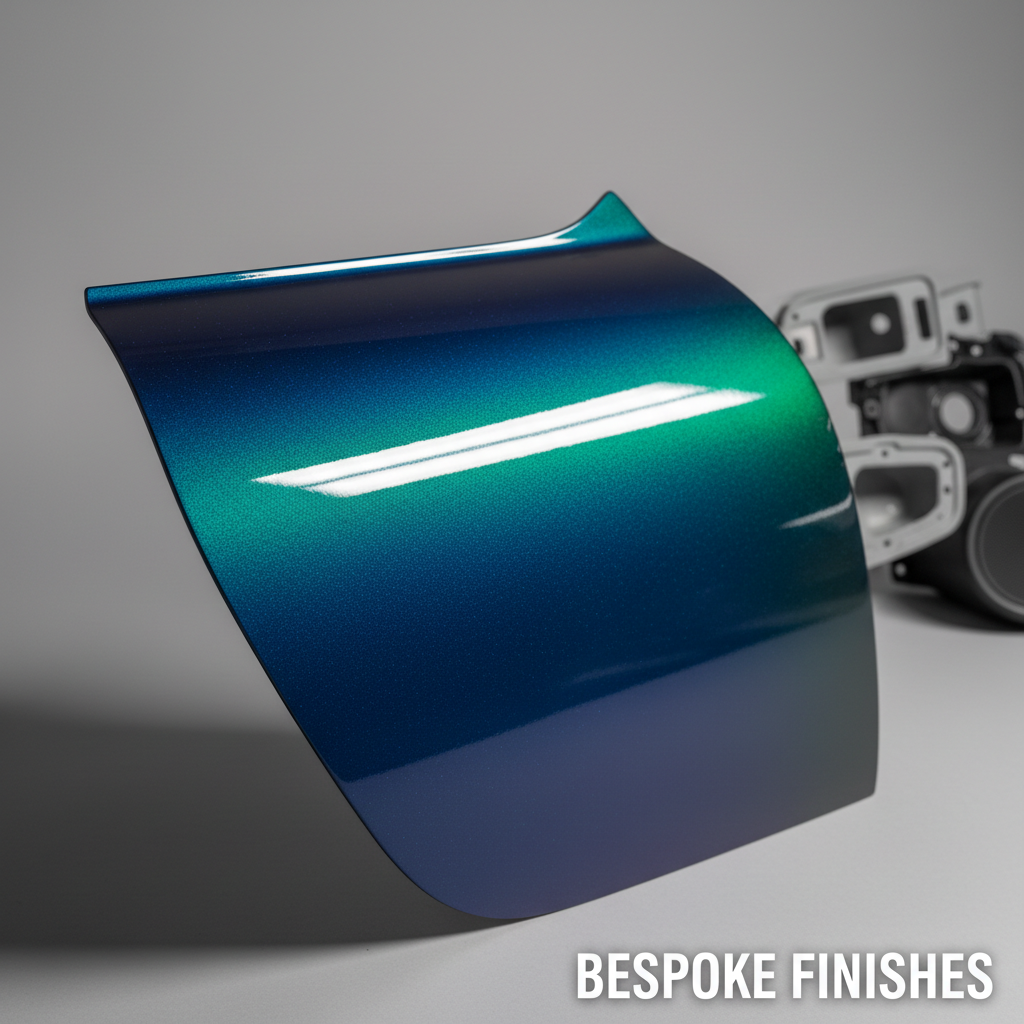
Before diving into paint correction, it's important to recognize the common imperfections that can mar your vehicle's finish. These include:
- Swirl Marks: Fine scratches usually caused by improper washing or drying techniques.
- Oxidation: A result of prolonged exposure to the sun, leading to faded or chalky paint.
- Water Spots: Marks left by mineral deposits from rain or washing.
Identifying these imperfections early can save time and effort in the correction process.
Tools and Products for Paint Correction
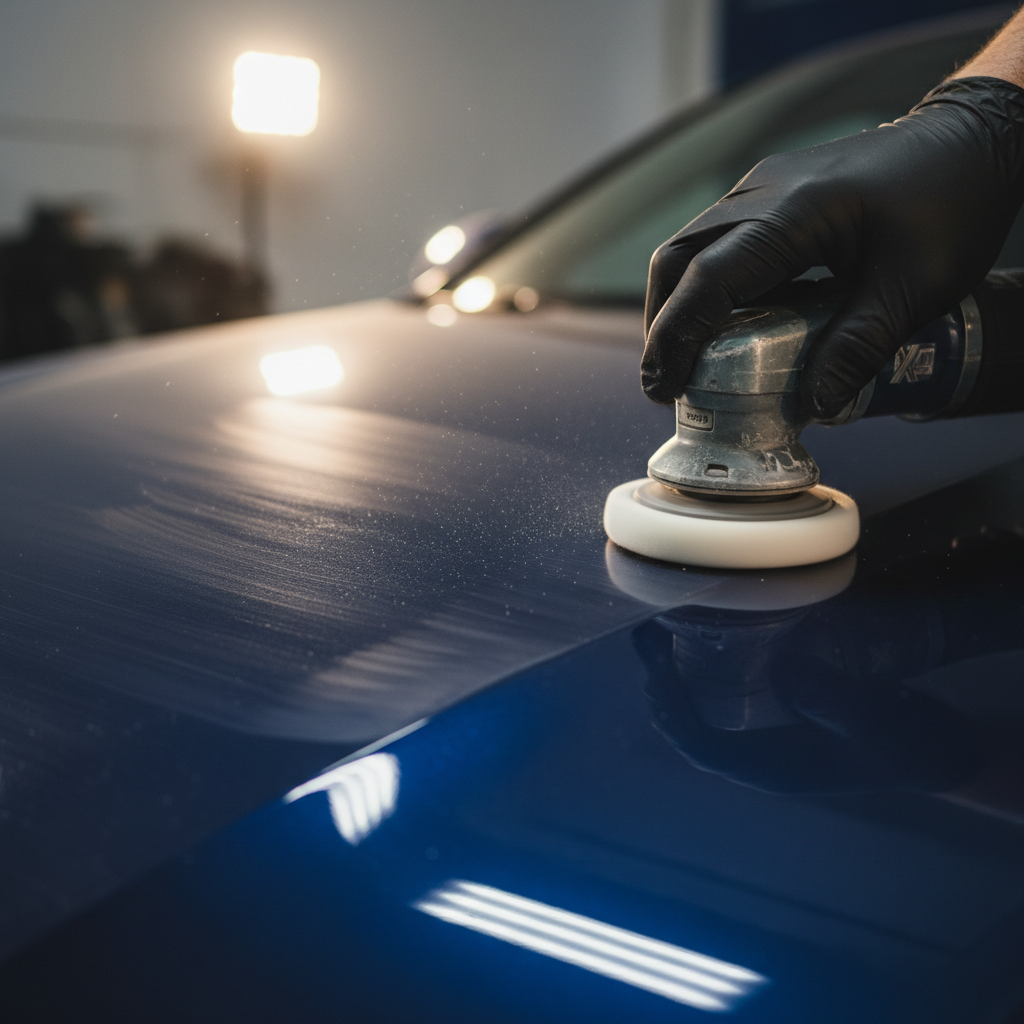
Equipping yourself with the right tools and products is crucial for effective paint correction. Here are some essentials:
- Dual Action Polisher: A versatile tool that provides a balance between power and safety.
- Polishing Pads: Available in different grades, these pads are used to apply polish and compound.
- Polishing Compounds: Designed to remove specific imperfections, these compounds vary in abrasiveness.
Investing in quality tools can make the process smoother and yield better results.
Step-by-Step Paint Correction Process
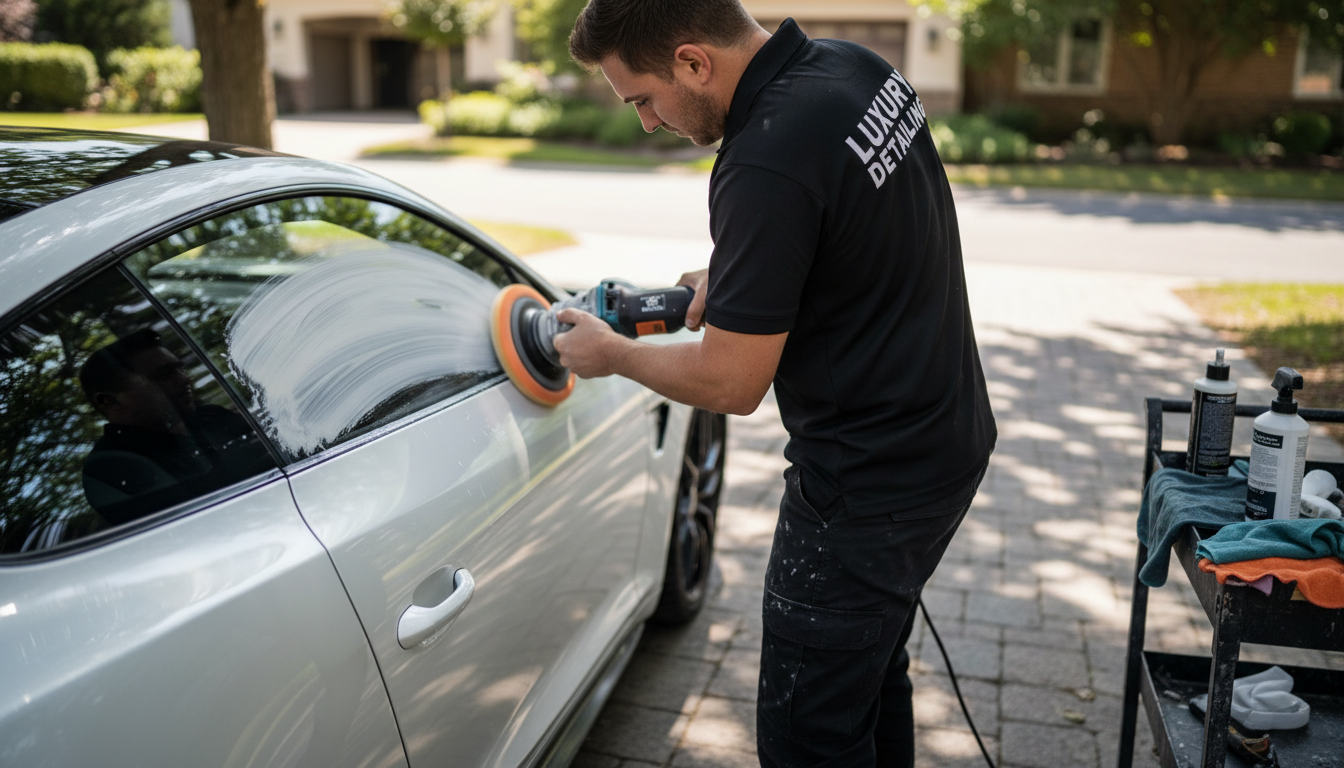
To achieve professional-level results, follow these steps:
- Wash and Clay: Begin by thoroughly washing your car and using a clay bar to remove contaminants.
- Inspect the Paint: Use proper lighting to identify imperfections and plan your approach.
- Choose the Right Pad and Compound: Depending on the severity of the imperfections, select the appropriate combination.
- Polish in Sections: Work on small sections at a time, using overlapping passes for even coverage.
- Finish with a Sealant or Wax: Protect your newly corrected paint with a high-quality sealant or wax.
By following these steps, you can ensure a smooth and glossy finish that enhances your car's appearance.
Maintenance Tips for Long-Lasting Results
After investing time and effort into paint correction, maintaining the results is key. Here are some tips:
- Regular Washing: Use the two-bucket method to avoid reintroducing scratches.
- Avoid Harsh Chemicals: Use pH-balanced car wash products that are gentle on your paint.
- Frequent Waxing: Apply a layer of wax every few months to protect against environmental damage.
Implementing these maintenance practices will keep your car looking pristine for longer.